Cafes and takeaway spots deal with constant demand for better options that don’t add to the plastic mess. PLA-lined paper cups stand out right now as a strong pick—they handle daily use without issues and give waste a chance to return to nature instead of lingering indefinitely.
The inner layer draws from natural plant sources, creating a setup that’s practical yet steps toward real eco progress. Operators lean toward them for the blend of dependable quality and reduced planetary strain over time. Here’s a fresh look at why these cups gain traction in greener packaging choices.
Rethinking the Base Material: Renewable Origins Beat Fossil Reliance
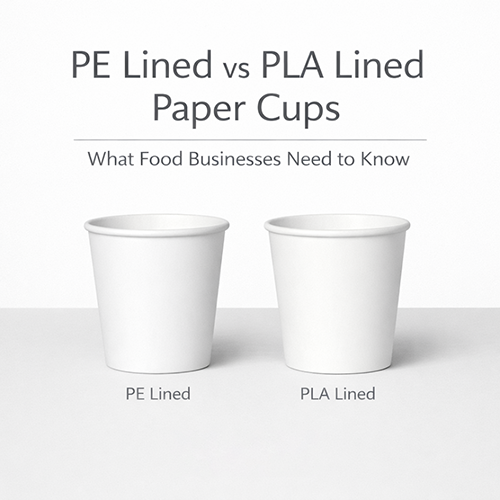
Conventional disposable cups typically carry a thin polyethylene lining pulled from petroleum sources. It offers solid leak protection and stands up to very hot contents affordably, yet it ties production to non-renewable extraction and results in stuff that endures in the environment for hundreds of years.
PLA-lined paper cups take another route entirely. Their barrier layer forms through processing plant-derived sugars—often from corn or sugarcane fields that growers harvest and replant regularly. Relying on these fast-regrowing inputs slashes the need for oil during creation and lays groundwork for a less extractive approach overall. Many assessments point to noticeably lower fossil energy draw and emissions in the production phase alone.
Everyday Strength: Reliable Enough for Busy Service
A flimsy cup ruins the experience fast—no one tolerates leaks or collapses halfway through a drink. PLA-lined paper cups perform on par with standard ones in most real scenarios:
- They keep hot brews like espresso contained and cold options like smoothies fresh without seepage.
- They manage temperatures up to about 85–90°C well, covering the range of typical coffee and tea service.
- The finish remains even and attractive, letting custom designs pop clearly.
In rare situations with boiling-hot fills or extended holding, PLA might soften a touch sooner than PE, but for normal cafe or event windows, the difference stays minor. Patrons seldom spot it, though they often respond positively to mentions of the plant-sourced aspect.
After-Use Edge: Composting Opens a Better Closing Loop
Here’s the standout feature. PE versions mostly land in landfills or struggle through recycling lines where the film causes jams and separation headaches.
PLA-lined paper cups target industrial composting setups—those warm, controlled spots full of active microbes. When conditions hit the mark, breakdown usually finishes in 90 to 180 days, yielding basic elements like water, carbon dioxide, and soil-enriching matter without leftover fragments. Access to these facilities grows in many regions, turning disposal into something productive rather than perpetual burden. That possibility appeals strongly to folks aiming to match small daily choices with larger environmental aims.
Quick Face-Off: Where PLA Fits Among Choices
A straightforward scan of main contenders:
- PE-lined — Lowest initial price, best extreme heat hold, but zero compost option and tough on most recycling programs.
- Wax versions (older type) — Basic and inexpensive, yet prone to issues with warmth and no meaningful degradation.
- Water-based barriers — Often recycle cleanly with paper streams, though shine and feel can fall short while adoption builds.
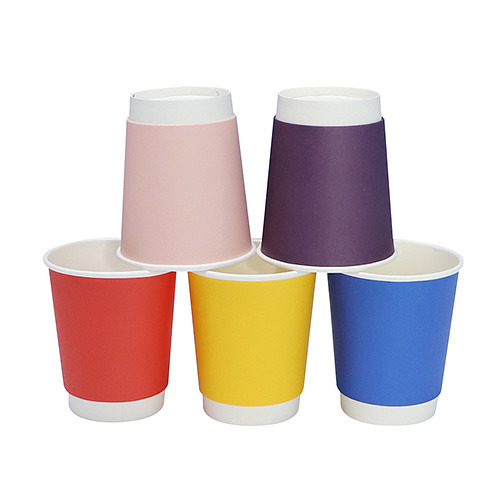
PLA-lined paper cups hit a practical middle ground for plenty of users: plant-sourced makeup, consistent protection, and true compost capability wherever the right facilities operate. The extra upfront cost (commonly 20–40% more) tends to ease with scale, and the goodwill from customers noticing the effort frequently balances things out.
Hyde Nature supplies sturdy PLA-lined paper cups ready for your logo, custom colors, or exact specs. Hit us up—we’ll work out options that suit your setup and help you stand out for the right reasons.