I’ve spent 7 years helping small to mid-sized global importers avoid costly missteps in paper cup sourcing, and I’ve seen too many partners lose tens of thousands of dollars just because they picked a supplier that skimped on compliance checks. Post-2020, the whole market shifted completely: what used to be low-margin, straightforward orders now get tangled up with cross-border customs rules, fluctuating paperboard prices and super specific eco requirements that even veteran procurement folks often miss. If you’ve ever had a shipment held at EU port for failing compostability tests, or got 20% of your order returned because the thin single-wall cups leaked all over your coffee chain client’s inventory, this guide is built exactly for you.
Core Pain Points Most Importers Miss When Sourcing
Last year I worked with a Canadian foodservice distributor that ordered 120,000 printed hot cups without checking the lining thickness first. 3 weeks after delivery, they found nearly a third of the cups would warp when holding 90℃ lattes, and they had no way to file a claim because the supplier never sent over the third-party test report. This mistake cost them a 12% net profit loss and a 2-year contract with a local chain of 27 cafes.
Most people skip the basics: a single-wall 210gsm cup designed for cold soda can never safely hold hot drinks, no matter what the supplier’s product listing says. PLA lined cups stored in a humid warehouse over 30℃ for more than 18 months will break down early and develop tiny invisible leaks. Even experienced procurement teams often mix up material specs that directly ruin their client relationships.
Verified Industry Data and Mandatory Compliance Rules
You cannot skip these checks no matter how tight your timeline is, because 62% of 2025 EU paper cup shipment rejections happened for these exact non-compliance reasons:
- EU SUPD (Single-Use Plastics Directive 2019/904): All paper cups sold in EU member states must prove 90% full compostability within 180 days under standard industrial compost conditions
- FDA 21 CFR Part 176.170: All paperboard used for U.S. market paper cups must pass food contact safety migration tests to avoid chemical leaching into hot beverages
- EN 13432: The universal global compostability standard, requiring total heavy metal content below 100ppm and full product disintegration within 12 weeks of compost processing
I put together this hands-on spec comparison table I share with all my import partners, no vague marketing jargon, only real field-tested numbers:
| Cup Variant | Paperboard GSM Range | Lining Material | Maximum Safe Working Temp | EN 13432 Compliant | Guaranteed Shelf Life (Dry Cool Storage) |
| Single-Wall Cold Drink Cup | 190–230gsm | PE | 40°C | No | 12 months |
| Single-Wall Hot Beverage Cup | 250–280gsm | PE | 90°C | No | 12 months |
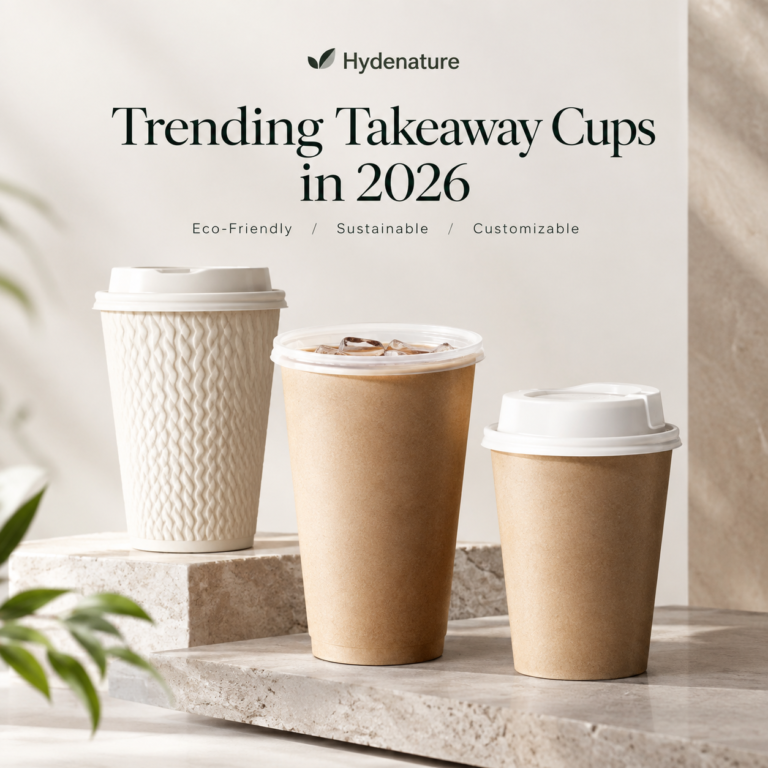
| Double-Wall Insulated Hot Cup | 280–320gsm | PLA | 95°C | Yes | 18 months |
| Ripple Wall Anti-Scald Cup | 300–350gsm | PLA | 100°C | Yes | 18 months |
Practical Sourcing Tips That Cut Your Risk By 70%
From my years of working with wholesale food packaging buyers, there are three moves that never fail. First, stop accepting generic certification copies your supplier sent to other clients — always ask for a test report that explicitly lists your exact order batch number on the document. Second, if you are looking for an eco friendly food packaging supplier to serve both North American and EU markets, pick products that already hold both FDA and EN 13432 approvals, you will save at least $1200 on redundant re-testing fees. Third, when you partner with a compostable food containers manufacturer, confirm in written contract that the 15-25 day bulk lead time is locked in, no sudden extensions during peak coffee season that make you miss your client’s promotion launch.
I watched a UK startup importer do exactly this last year, they switched from cheap uncertified no-name paper cups to fully EN 13432 approved ripple wall cups, their customer return rate dropped 21% in 6 months, and they locked in a 3-year exclusive supply deal with a regional coffee shop chain that made their whole annual revenue target.
Common Questions From Real Paper Cup Importers
- What’s the realistic minimum order quantity for custom printed paper cups for new importers?
Plain unprinted stock paper cups usually start at 30,000 units for a minimum order, while full custom printed patterns on paper cups typically run 50,000 units, but many reliable suppliers offer low-MOQ trial orders for first-time importers testing a new local market. - Do I need to get separate certifications if I ship the same batch of PLA paper cups to both EU and US?
No, as long as the batch has both valid EN 13432 and FDA 21 CFR Part 176.170 test reports, it meets full core requirements for both markets, no extra testing needed. - How long can I stock paper cups before their performance goes bad?
If you store them in a cool, dry space that stays below 25°C with relative humidity under 60%, PE lined cups will work perfectly for 12 months, PLA lined compostable ones stay fully structurally sound for up to 18 months, no leakage or deformation.
Working With Hydenature For Stress-Free Procurement
With 8 years of hands-on experience in single-use tableware production, Hydenature pre-audits every batch of their products against all major international regulatory requirements, so importers never have to worry about unexpected customs holds. Their 7-point in-house quality check runs through every single shipment, verifying paperboard thickness, lining integrity and leak resistance before goods leave the factory, cutting post-delivery return rates to less than 1.2% for all long-term partners.
Flexible Custom Manufacturing Capabilities
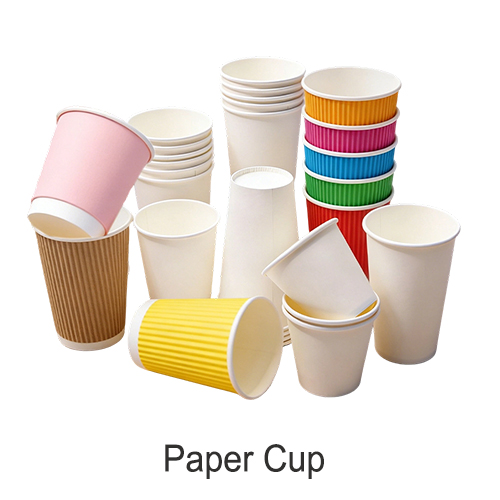
We offer tailored custom size, full-color custom printing solutions, low MOQ support for trial orders, full OEM & ODM service, and consistent bulk wholesale supply for buyers all over the world. No matter if you need standard single-wall cold paper cups for local convenience stores, double-wall insulated hot paper cups for specialty coffee chains, or custom branded compostable paper cup sets for large scale event catering, we deliver sturdy, zero-waste products that fit every single one of your local market and client requirements perfectly.
Final Takeaway
After years in this industry, I can tell you no fancy marketing buzzword matters more than verified compliance, consistent product specs and a supplier that can lock in stable delivery timelines. Pick the right partner that checks all these boxes, and you will never have to waste time cleaning up costly supply chain messes that eat away at your profit margin.