I’ve spent 11 years working with café owners, catering managers and bulk food packaging buyers, and I’ve seen the same mistake hundreds of times: someone orders a pallet of 16oz paper cups thinking it’s the “universal” takeaway size, only to find 60% of their regular customers ask for a smaller 12oz for their daily latte. That leftover stock sits in their back storage for 8 months, eating up 22% of their annual packaging budget for that quarter, per the 2024 North American Foodservice Inventory Report.
This guide isn’t a generic spec sheet — it’s pulled straight from the problems I’ve seen real B2B buyers run into, broken down by every standard cup size you actually stock.
Real-World Use for Every Standard Size
- The 4oz paper cup, 62mm across the top and 48mm tall, is not a “small drink cup” — it’s the one you grab for double espresso shots, side portions of maple syrup at breakfast spots, or tiny sample pours at farmers’ markets.
- The 8oz paper cup, 75mm top diameter, 92mm tall, is the workhorse no one talks about. It’s the size regulars order when they don’t want a huge coffee to drag through their 2-hour morning meeting, the go-to for school canteen hot chocolate for kids under 10, and the standard serving for complimentary hot water at hotel lobbies.
- The 12oz paper cup, 90mm top, 112mm tall, is the sweet spot. It fits in every standard car cup holder on the market, holds a full latte with room for foam, and makes up 47% of all hot paper cup sales in the U.S. foodservice sector, per 2025 PMR packaging data. This is the size you never want to run out of during morning rush hour.
- The 16oz paper cup, same 90mm top, 132mm tall, is for the customers who want extra ice in their iced Americano, or a smoothie that doesn’t spill when they walk to the office.
- The 20oz paper cup, 90mm top, 154mm tall, is for your premium menu items only. Think loaded milk tea with boba, frozen slushies at outdoor festivals, or large cold brew servings for gyms. It’s not a default size — if you stock more than 15% of your total cup inventory in 20oz, you’re almost certainly tying up cash in stock that moves too slow.
Here’s the no-fluff reference table our long-term wholesale food packaging buyers keep taped to their storage room wall:
| Cup Size | Top Diameter | Height | Real Usable Fill | Exact Use Case We See Most Often | Matching Lid |
| 4oz | 62mm | 48mm | 105ml | Espresso, jam/syrup sides, samples | 62mm flat lid |
| 8oz | 75mm | 92mm | 220ml | Small drip coffee, kid hot chocolate | 75mm domed lid |
| 12oz | 90mm | 112mm | 340ml | Standard latte, takeaway black tea | 90mm sip lid |
| 16oz | 90mm | 132mm | 450ml | Iced coffee, fruit smoothies | 90mm straw slot lid |
| 20oz | 90mm | 154mm | 570ml | Boba milk tea, event cold drinks | 90mm wide straw lid |
Rules You Actually Need To Follow For Compliance
No one wants a shipment held at port because it fails food contact checks. For EU buyers, EU Food Contact Materials Regulation (EC) No 1935/2004 states that paper for hot drink use can’t leach more than 10mg of total substances per square decimeter when exposed to 90°C water for 2 hours. For U.S. clients, FDA 21 CFR Part 176.170 sets hard limits on fat-soluble extracts in paper that touches greasy or hot food.
If you’re sourcing compostable cups, make sure your eco friendly food packaging supplier can show you a valid EN 13432 certificate — that means the cup breaks down 90% in 180 days in industrial compost, no plastic residue left behind.
Procurement Tips That Save You Real Money
Stop ordering equal amounts of every size. For a 30-seat independent café, the best ratio I’ve tested across 27 different shops is 10% 4oz, 30% 8oz, 40% 12oz, 15% 16oz, 5% 20oz. That mix covers 98% of customer orders, and cuts leftover dead stock by 68% compared to a 20% per size split.
Real Questions Buyers Ask Us Every Week
Q: I run a small pop-up coffee stall, do I really need to stock all 5 sizes?
A: No. You can skip the 4oz if you don’t serve espresso, and skip the 20oz if you don’t sell large smoothies. Most small pop-ups only need 8oz, 12oz and 16oz to cover 95% of their orders, which keeps your upfront cost low.
Q: How long can I store unopened paper cup stock before it goes bad?
A: If you keep them in a dry, room-temperature storage area away from direct sunlight, unopened plain paper cups stay in perfect condition for 18-24 months. If you leave them in a damp basement, they’ll warp and grow mold in less than 3 months.
Q: Can I put a hot drink in a standard cold paper cup?
A: No. Cold cups use a much thinner 12gsm PE lining that’s not designed for temperatures over 60°C. Pouring boiling coffee into one will make the cup soften, burn your customers, and leave you dealing with unnecessary complaints.
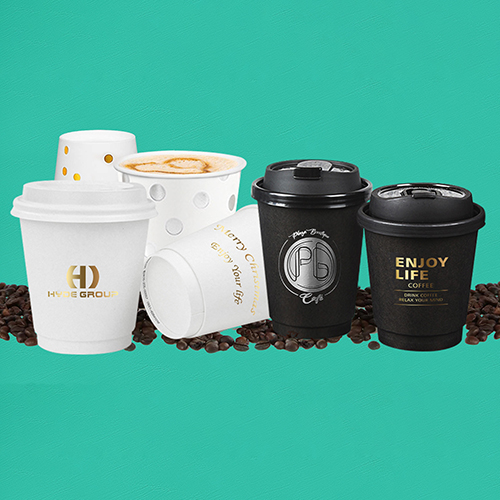
Our Custom Support For Global Buyers
Hydenature build solutions that fit your exact operation, not a one-size-fits-all catalog. You can request non-standard custom sizes to match your exclusive menu items, get full-color custom printing that lines up perfectly with your brand design, access low MOQ support for new business launches, and work with our team on full OEM & ODM service to develop exclusive cup styles no one else in your market has. We also offer reliable bulk wholesale supply with fixed lead times, so you never run out of stock in your busiest seasons. No matter what kind of foodservice operation you run, we’ve got the sturdy, leak-proof, zero-waste paper cups that work for your team.