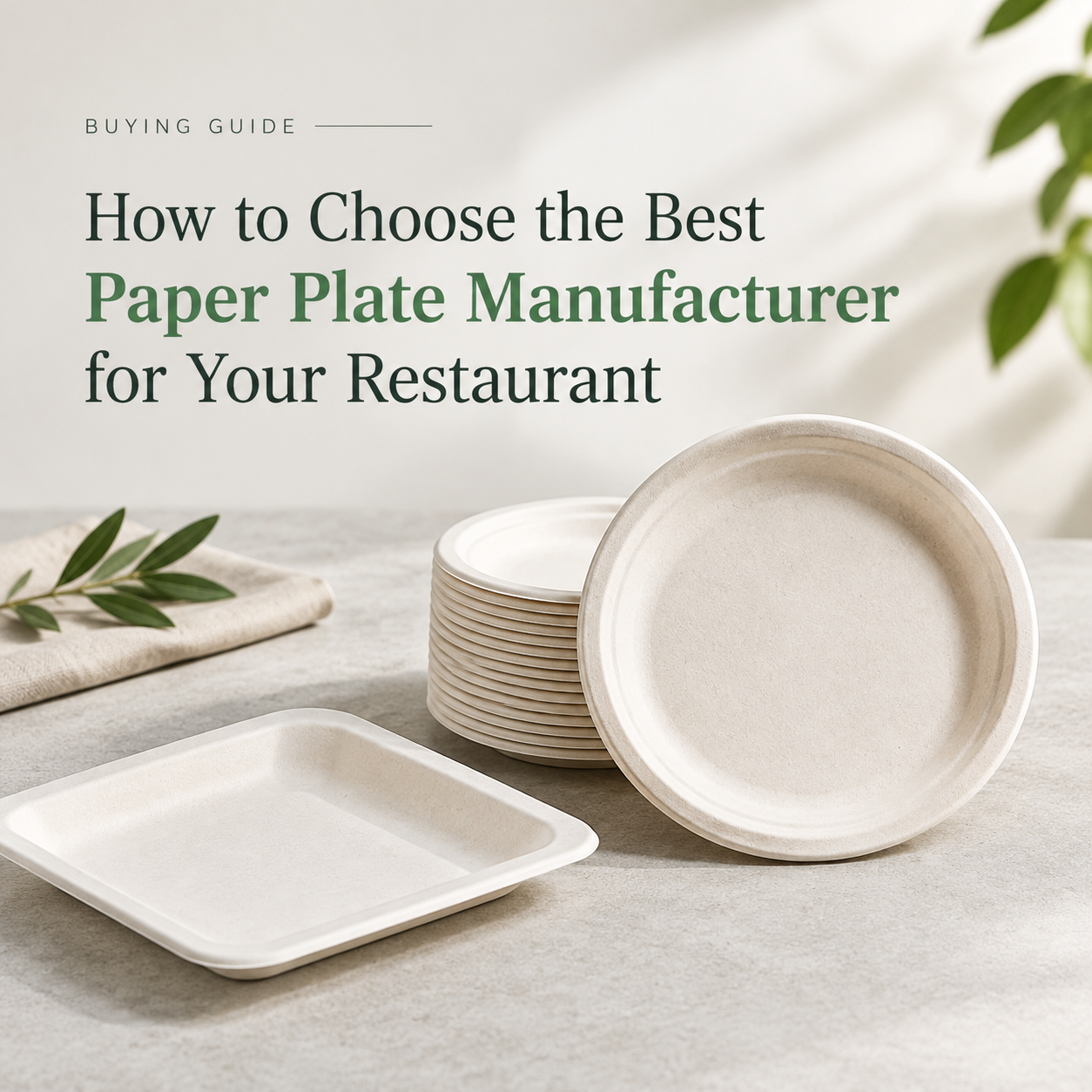
This guide lays out the real stuff buyers look at when ordering paper plates in volume. I’ve pulled from actual industry numbers, tested performance standards, and common pain points I see from distributors who have been through it. Whether you run a steady lunch rush or seasonal catering gigs, the choices here should save you time and money.
What Distributors Actually Face
Paper plates are made by pulping wood fiber or recycled scraps, then pressing them into shape. The key questions every buyer asks are simple but matter a lot: Will the plate hold up to sauce, grease, or heat without falling apart? Can we print our logo on it cheaply? And will it pass the waste rules our clients care about?
Most operators now want something that feels premium but costs less than plastic. That pushes distributors to offer options that balance performance with environmental pushback. For example, many chains tell me they won’t take orders unless the supplier can prove the plates meet food-contact rules and break down in a real composting facility.
Core Things to Look At When Buying
Grease resistance is the make-or-break feature. Plates coated with polyethylene (PE) or plant-based PLA hold up for at least 30 minutes even with fried chicken or pizza grease. That number comes straight from supplier tests I’ve seen in the trade.
Virgin fiber ones print sharper and look more restaurant-quality. Compostable grades add starch or PLA that lets them break down in 90 days in industrial facilities. I’ve watched distributors win repeat business by offering both regular and eco options so customers can switch without switching suppliers.
Real Numbers and Rules That Matter
The eco-friendly paper plate side of the market is moving fast. Forecasts show the global sector heading toward around USD 2.03 billion by 2036 with a steady 4.3 percent growth rate. A big reason is customers voting with their wallets and regulators cracking down.
In the US you have to follow 21 CFR Part 176 rules on food-contact materials. Suppliers must keep extractives low enough that nothing migrates into food.
Side-by-Side Comparison of Paper Plate Types
| Feature | Standard Virgin Fiber | Recycled Paper Grade | Compostable PLA-Coated | Molded Pulp Variant |
| Basis Weight (gsm) | 250-350 | 200-300 | 280-380 | 400+ |
| Grease Resistance | Excellent (PE/PLA) | Good | Excellent | Good |
| Best For | Hot foods, events | Everyday takeaway | Parties, green catering | Bakery, heavy items |
This table shows the trade-offs without fluff. Virgin fiber wins on feel and look for busy kitchens. Recycled grades give you the green cred at a middle price. Compostable ones line up with customer requests and upcoming rules while still holding a hot meal.
Practical Tips for Making the Buy
Test before you commit. Ask for free samples and run your own grease-resistance check or stack test. Look for suppliers who can deliver samples in a week and bulk orders in two to three weeks. Negotiate quarterly volume discounts to lock in pricing when pulp costs swing around.
Think about total ownership cost, not just the per-plate price. Compostable plates often cut disposal fees and help clients get green certifications. Build in flexibility for festival spikes or sudden catering orders. Good distributors send samples fast and stand behind quality claims with reports.
Real Buyer Questions I Hear All the Time
- How do I check if a plate is actually compostable?
Look for third-party labels from BPI or EN 13432. - Which coating gives the most grease protection?
Multi-layer PE or PLA coatings hold up best. PE handles heat well, and PLA adds compostability without extra weight.
Why Hydenature Fits What Distributors Need
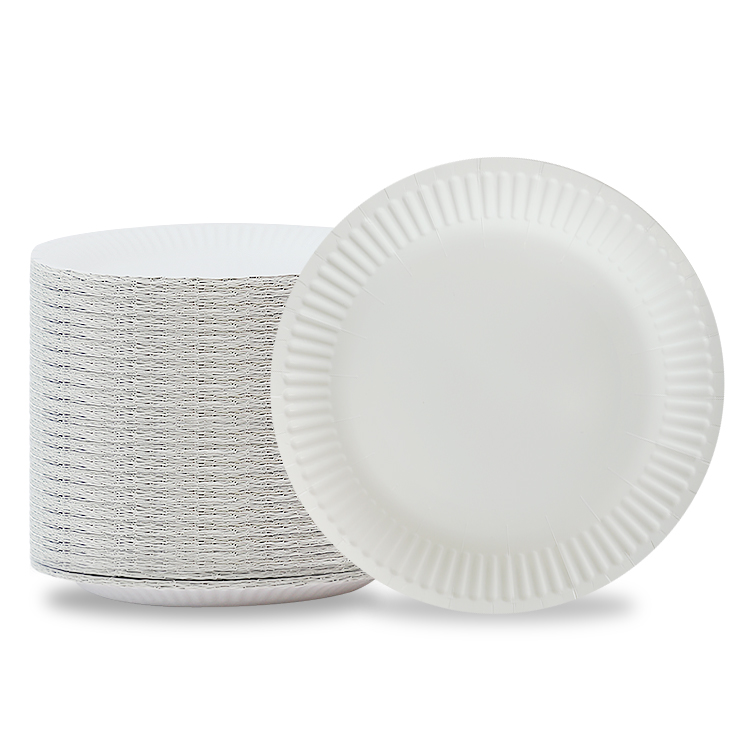
Hydenature makes and wholesales compostable paper plates, cups, and bowls right from their factory in Anhui, China. Full ranges cover 5 to 12 inches plus custom shapes. They print 1-8 colors at competitive rates and offer OEM/ODM so you can put your own branding on without extra hassle.
Distributors like the fast sample turnaround and the ability to mix regular and eco lines in one order. With years of focus on sustainable packaging and thousands of repeat clients worldwide, the team keeps lead times tight and quality consistent. If you’re tired of hunting for a supplier who actually listens and delivers on time, Hydenature is built for exactly that.
Visit hydenature.com or drop them a message for a quote. You’ll see the difference factory-direct eco-friendly packaging makes when your orders need to move fast and stay reliable.