The Real Breakdown No One Tells You
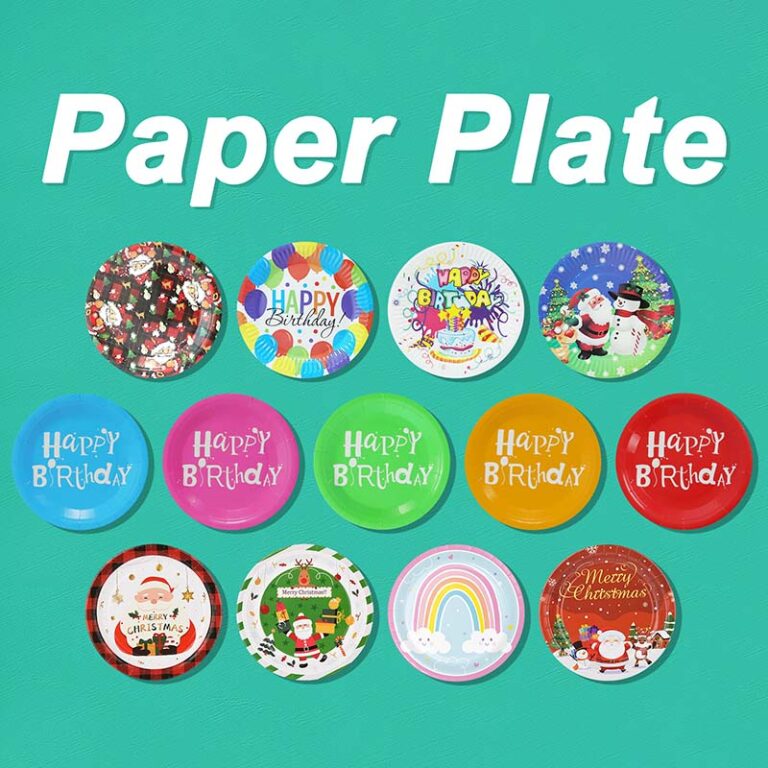
Custom paper plates, for B2B purposes, are not just printed off-the-shelf stock. They are fully configurable disposable food-safe paper plates, adjusted to your exact dimensions, paper grade, and branding needs, built to hold up to your specific use case, whether that’s a 500-person wedding buffet or a fast casual chain’s weekly takeout rush.
Sizes in the real B2B space don’t stick perfectly to generic charts. The 6 inch plate is the workhorse for appetizers, cake slices and sample stations, almost every caterer orders these custom printed for branded event swag. 9 inch is the most popular main course size, not 10, because it fits standard takeout bags without tilting. 10 inch plates only get ordered for family style dining or BBQ events where people load on ribs and sides. Square 7 inch plates are mostly for premium cafes and dessert shops, they look way more intentional on Instagram feeds than round ones.
Materials are where 90% of new buyers mess up. All legitimate stock has to pass EU 1935/2004 and US FDA 21 CFR Part 176.170, no exceptions. Let’s skip the marketing speak and talk about what each 100% paper option actually does on a job:
| Paper Material | Real Working Thickness | Compostability | Hot Food Limit | Where It Actually Works |
| Uncoated Kraft Paper | 280-320gsm | Home + Industrial | 70°C | Dry snacks, cold sandwiches, never for curry or fries |
| PLA Lined Food Grade Paper | 320-380gsm | Industrial | 93°C | Hot takeout, greasy fried food, no leakage if the lining is done right |
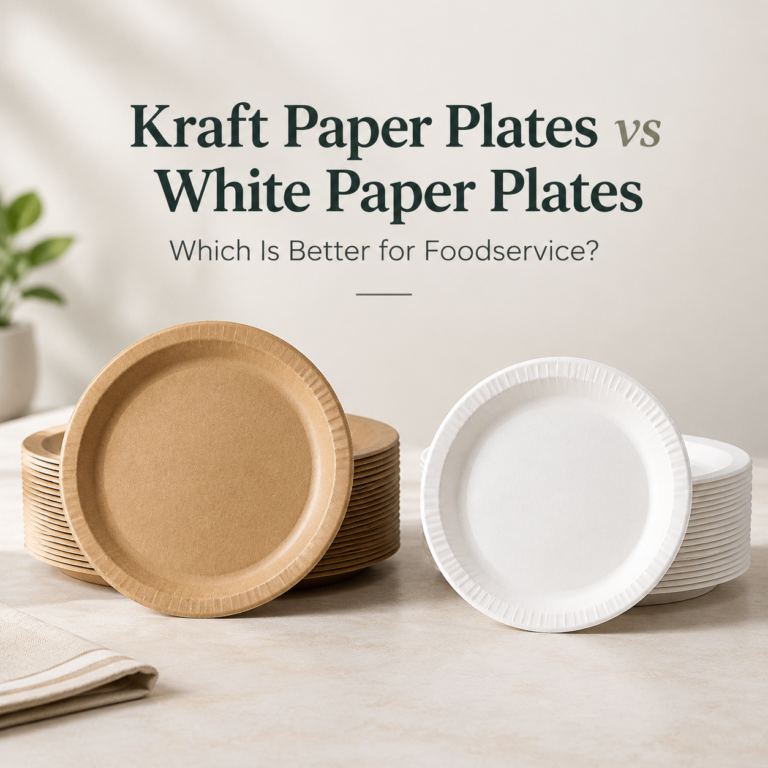
| Bleached White Food Paper | 300-350gsm | Industrial | 85°C | Fine dining, formal events, prints bright full-color logos perfectly |
| Unbleached Bamboo Pulp Paper | 300-360gsm | Industrial | 82°C | Premium pop ups, farm to table events, looks way more upscale than plain kraft |
Printing-wise, forget the fancy terms. Water based flexo is what every serious B2B paper tableware shop uses. No weird chemical smell, no ink rubs off on food, fully compliant. Digital UV printing is only for small runs, it costs more per unit but you don’t pay for printing plates. Offset is only for 50k+ unit orders, it’s razor sharp but totally unnecessary for most small to mid sized buyers. The one rule every supplier hides: never print within 1cm of the plate’s inner food edge. It’s not a regulation, it’s just common sense — no one wants their logo touching someone’s pasta sauce.
Actual Industry Numbers and Rules
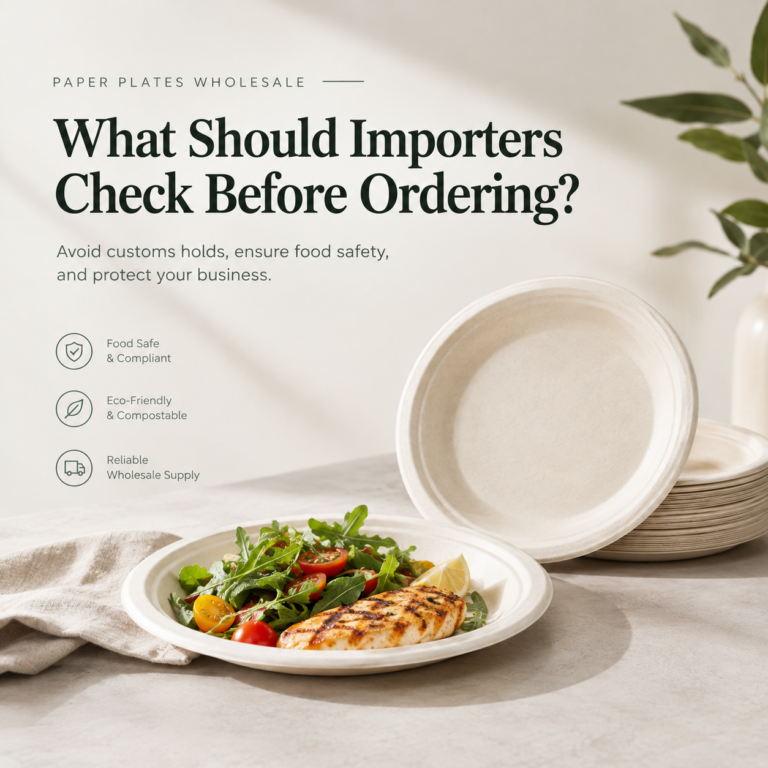
I’ve been in this disposable paper tableware space for 7 years, and the 2025 global paper foodservice trade association numbers check out: 72% of B2B buyers now refuse to take custom paper plates that don’t have BPI or DIN CERTCO compostability proof. No one wants to get hit with a fine in California or the EU for non-compliant packaging. One of our regular catering clients based in Texas once skipped the test report check, got a 1200 unit shipment of custom printed paper plates that leaked through the bottom on hot tacos, and lost three corporate event contracts over it. That’s not a rare story.
No Fluff Procurement Advice
If you’re sourcing custom disposable food packaging, don’t start with the logo. Start with the food you’re serving. If it’s messy, hot or greasy, skip uncoated kraft entirely, you will regret it. When you reach out to an eco friendly food packaging supplier, don’t ask “are your plates safe” — ask them to send the exact FDA and EU test reports before you even talk about designs.
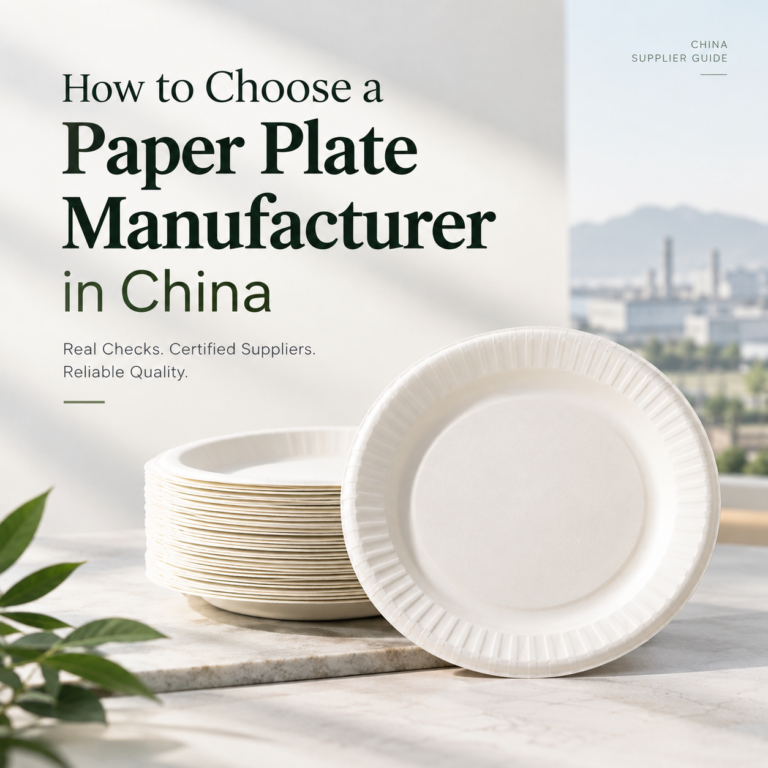
If you’re a first time buyer, never agree to an MOQ over 30,000 units without a physical paper sample in your hand. Screen previews lie, the color of your logo will look totally different on kraft paper than it does on your laptop. Working with a compostable food containers manufacturer that lets you mix custom paper plates with other paper cup or paper bowl SKUs for your wholesale food packaging order will also cut down your shipping costs way more than ordering each item separately.
Real FAQ That Buyers Actually Type Into Google
- What’s the real MOQ for custom paper plates, not the marketing number?
Most good suppliers will do 30,000 units for single color prints, 50,000 for full color. Anyone that tells you 100,000 minimum is just trying to push their overstock. - Can I put custom printed paper plates in the microwave?
Plain PLA lined paper plates work fine for 1 minute reheats, but plates with full coverage dark ink will get hot spots and the ink can peel. Don’t risk it. - How long does custom production actually take, not the advertised lead time?
10-12 working days is normal after sample approval. If a supplier says 3 days, they’re either cutting corners on printing quality or they’re going to ship you half the order late.
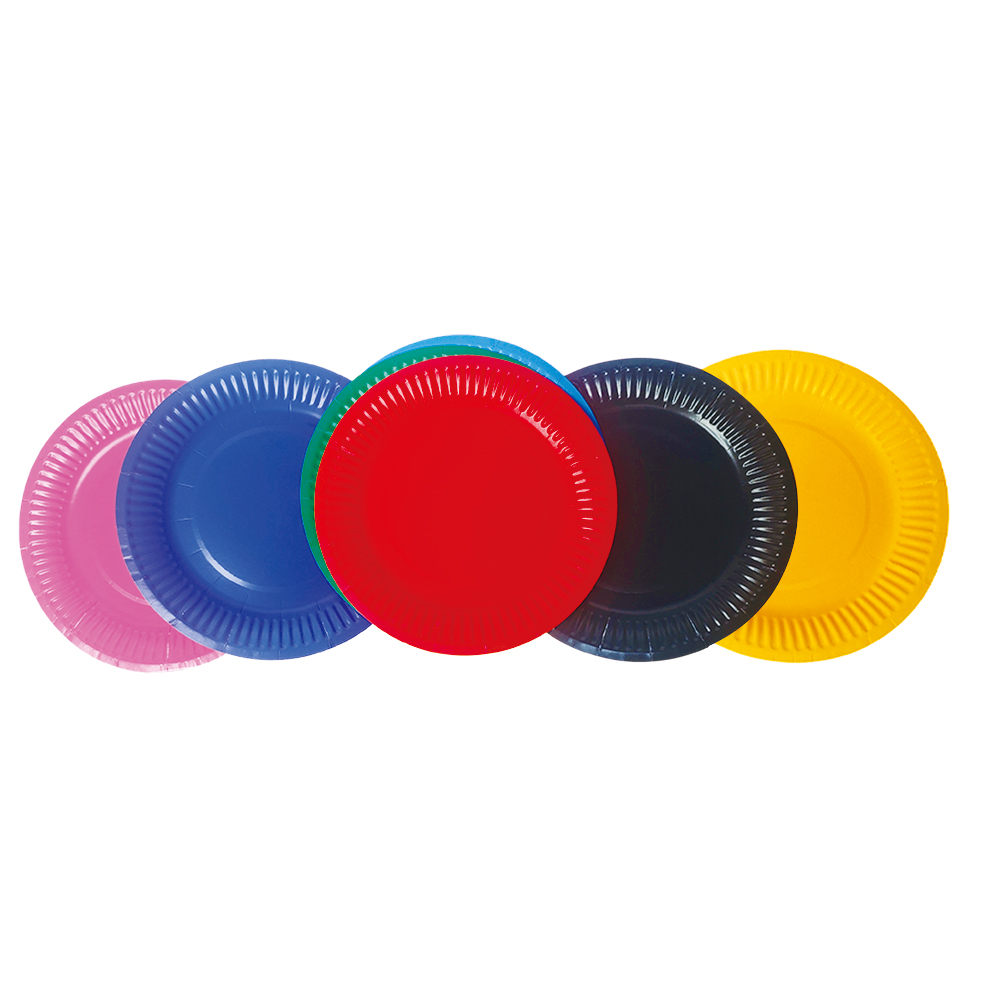
Work With Hydenature For Your Custom Order
At Hydenature, we don’t do the generic supplier dance. We’ve been making 100% paper disposable tableware for 14 years, we know all the workarounds for event planners, distributors and restaurant operators that most factories won’t tell you.
We send free pre-production paper samples on request, share all full compliance test paperwork upfront, and our wholesale food packaging service lets you pair your custom paper plates with any of our other paper tableware products to fill your order in one go. If you want to skip the usual sourcing headaches for your next custom run, head to Hydenature.com, drop us your specs, and we’ll send you a clear, no hidden fee quote within 24 hours.
Final Notes
Custom paper plates don’t have to be a complicated, overpriced procurement project. Once you stop chasing the cheapest quote, match the right paper grade to your actual food, and work with a supplier that doesn’t hide fine print on MOQs or compliance, you’ll get a product that makes your brand look good, holds up through every event, and keeps your customers coming back.