Choosing the right paper cup manufacturer requires evaluating material quality, certifications, and production capabilities. Key factors include checking food-safe raw materials, verifying eco-friendly coating choices, and assessing minimum order quantities.
- Price is the first thing most people look at.
Then the cups leak or the container gets stuck at the port. It happens often enough that the smart move is to dig into the factory itself before anything ships. The paper cup market is already worth several billion dollars and still growing, so plants stay full. Full plants do not always run careful lines.
- People often underestimate how much the paper weight affects the final result.
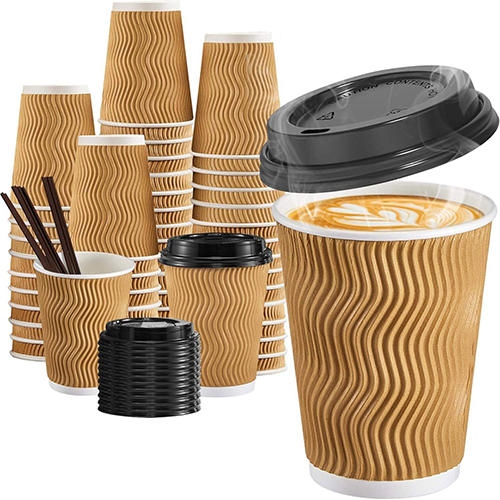
For iced drinks the board can stay fairly light, typically 190 to 230 gsm. Switch to hot coffee and you need something stronger—250 gsm minimum in most cases. Double-wall and ripple cups just add more layers on the outside so the heat stays inside the drink instead of on your hand. The coating does the rest. PE remains the common pick because it holds temperature well and keeps costs down. PLA manages to clear the industrial compost standard EN 13432, though it softens sooner and prefers cooler storage conditions.
- Compliance is non-negotiable.
Shipments into the United States need the paper to satisfy FDA 21 CFR Part 176. European buyers work under Regulation (EC) No 1935/2004 together with standard good manufacturing practice. Any claim that the cup is compostable almost always requires a proper EN 13432 report. Certificates pulled from a previous order do not count. You need the document that carries the batch number of the cups you actually ordered.
A simple comparison helps:
| Cup Type | Board Weight | Lining | Heat Limit | EN 13432 |
| Single-wall cold | 190–230 gsm | PE | ~40 °C | No |
| Single-wall hot | 250–280 gsm | PE | ~90 °C | No |
| Double-wall | 280–320 gsm | PLA | ~95 °C | Yes |
| Ripple-wall | 300–350 gsm | PLA | ~100 °C | Yes |
Talk to the paper cup manufacturer about real production numbers, not marketing slides. Confirm they run their own lines. Get the lead time in writing—15 to 25 days is common when things run smoothly. Storage matters too. Keep the stock dry and under 25 °C; PE cups last about a year that way, PLA closer to 18 months.
Small first orders are useful. A factory willing to run a trial lot lets you test the market without a full commitment. Once the cups hold up, moving to regular wholesale volumes becomes straightforward.
FAQ
- What minimum order quantity should new buyers expect for custom printed paper cups?
Unprinted stock often starts around 30,000 units. Full custom printing usually begins at 50,000. Plenty of established paper cup manufacturers will do smaller trial runs for first-time buyers.
- Do the same PLA paper cups need separate certifications for the EU and U.S.?
No. One batch that carries valid EN 13432 and FDA 21 CFR Part 176 reports covers the main requirements on both sides.
- How can buyers confirm a paper cup manufacturer’s capacity for consistent bulk supply?
Ask for recent monthly output figures, a short list of export markets, and written confirmation that peak-season lead times will stay locked.
Why Choose Hydenature
Most of the problems that appear after delivery start with skipped checks at the beginning. Pick a paper cup manufacturer that answers with documents and production facts rather than promises, and the rest of the process usually stays quiet.
At Hydenature.com we run our own production lines for single-wall, double-wall and ripple-wall paper cups, along with matching lids and a full range of disposable paper food packaging. Buyers can request custom sizes, full-color printing, low trial quantities, OEM or ODM development, and reliable bulk supply for both hot and cold applications.