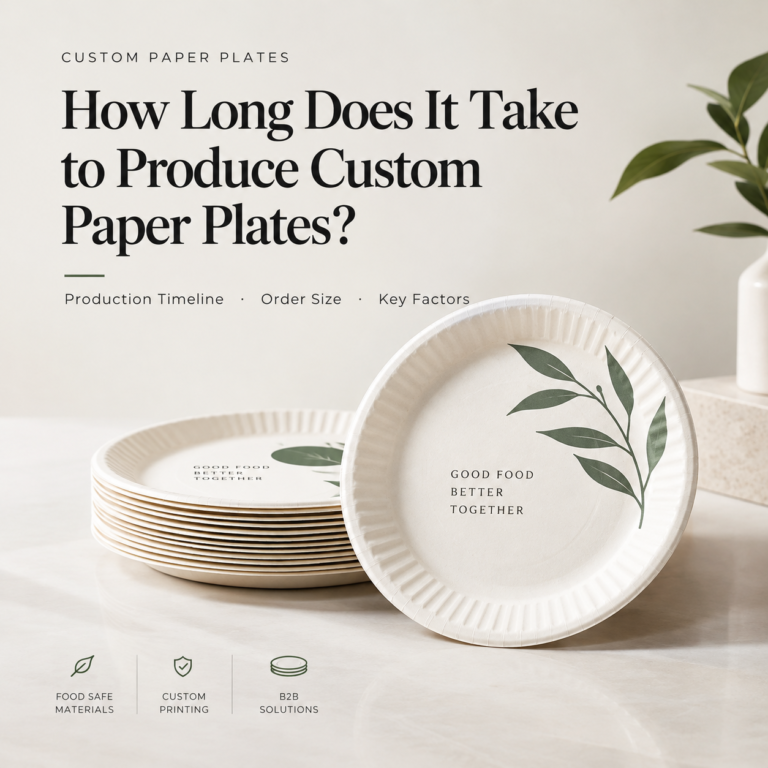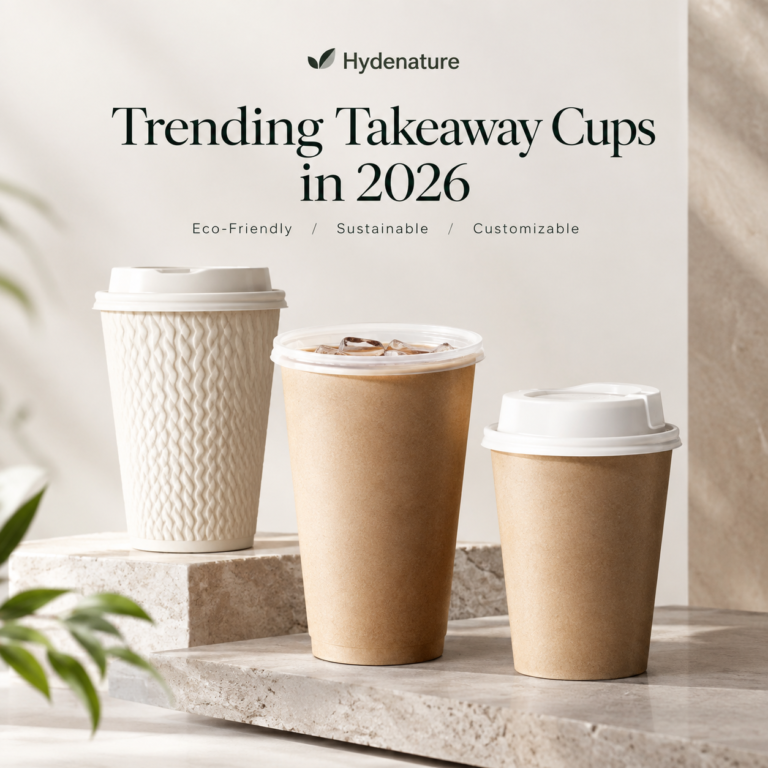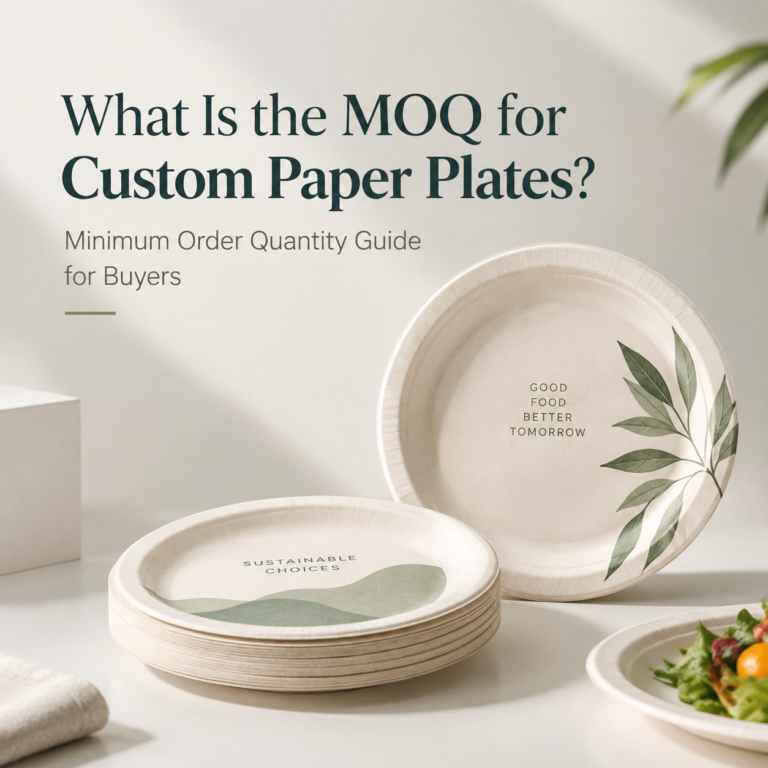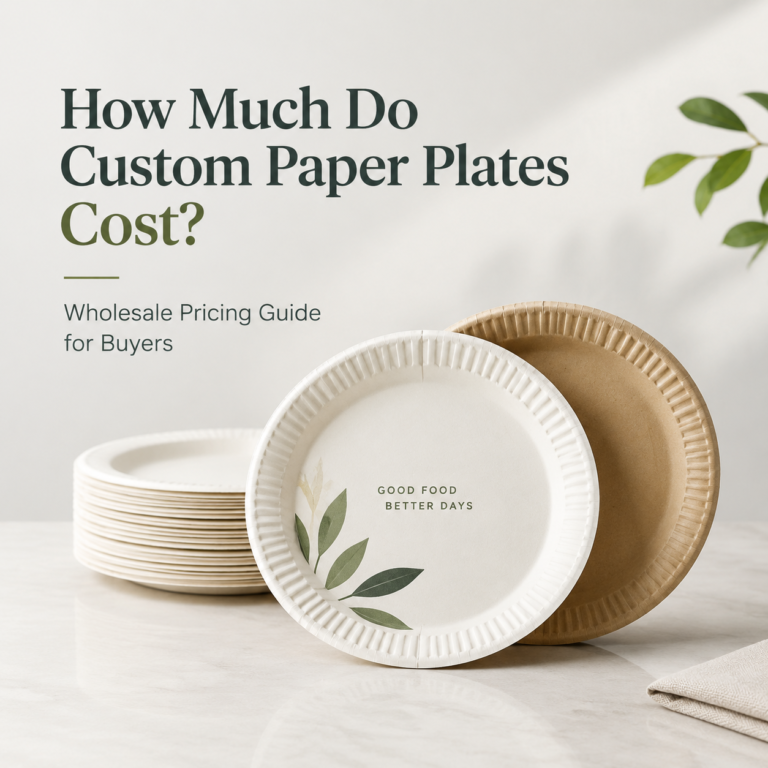
Every business leader in food service, retail, or e-commerce knows the packaging conversation has changed. At Hydenature.com, we work daily with buyers who are actively seeking better alternatives to conventional plastic. Paper-based options consistently rise to the top as practical, forward-thinking solutions.
How Paper Packaging Performs in Practice
Modern paper packaging has come a long way. Coated versions frequently manage temperatures up to 100°C for typical food service use, with oil resistance reaching KIT ratings of 8-12 and controlled water absorption (Cobb values often below 30 g/m²).
Of course, no material is perfect. Plastics can still edge out in extreme barrier needs or ultra-lightweight designs. But for the vast majority of takeout, deli, and retail applications, treated paper solutions deliver comparable functionality while excelling in circularity.
Side-by-Side Material Comparison
| Feature | Kraft Paper | Conventional PE/PP Plastic | PLA-Based Compostable |
| Primary Source | Renewable fibers & ag byproducts | Fossil resources | Plant-based |
| Real-World Recycling Rate | 60-96% (high for corrugated) | 13-30% | Limited streams |
| Industrial Compost Timeline | 60-180 days | Non-compostable | 60-180 days (certified) |
| Heat Tolerance (treated) | Up to 100°C | High | ~60°C softening |
| Oil/Grease Resistance | Strong with modern coatings | Excellent | Good |
| Regulatory Alignment | Strong (FSC, BPI, PFAS-free) | Increasing restrictions | Good when certified |
| Typical Wholesale Economics | Competitive at volume | Lowest upfront | Premium |
This table reflects typical performance based on current industry testing and field use.
Market Trends, Data, and Regulatory Landscape
Key standards buyers should know:
- FDA food contact rules, including the completed phase-out of PFAS grease-proofing agents.
- BPI Certification aligned with ASTM D6400 and ASTM D6868 for compostability verification in North America.
- EN13432 for European compostable requirements (90% biodegradation in six months).
- FSC for responsible forest management.
- SUP Directive and EPR regulations that reward better design and penalize hard-to-recycle formats.
Frequently Asked Questions
Q: Does paper packaging hold up with hot and oily foods compared to plastic? A: Yes, in most everyday scenarios. Quality PFAS-free coated kraft or bagasse products handle temperatures up to 100°C and demonstrate solid oil resistance through standard KIT testing. Real-world performance in quick-service settings confirms they meet operational needs when properly specified.
Q: How do costs and timelines for custom orders stack up? A: Printing and customization timelines are similar to plastic.
Q: Is supply reliable enough for large transitions? A: Capacity has grown substantially. Established producers of kraft fiber maintain scalable lines and stock buffers to support both test runs and full implementations.
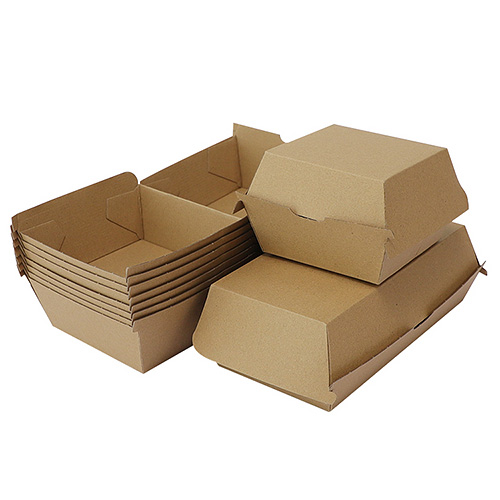
Why Paper Packaging Stands Out Strategically
Paper solutions align naturally with circular economy goals. They leverage existing recycling systems, offer verifiable compostability paths, and meet consumer demand for responsible choices.
Grab yours now at hydenature.com – choose from Paper Cups, Paper Salad Bowls, Paper Plates, Paper Food Boxes, Paper Bags, Paper Straws, Paper Envelopes, Egg Trays, Popcorn Buckets, and more. Whatever you serve daily, we’ve got the sturdy, compostable, zero-waste version waiting.